
Area 01
Market research & selection
Which market, in which order, and what it will cost to serve properly before you commit to it.

Scale. Optimize. Succeed.
Strategic service
Entering a market is a fulfilment, tax and localisation decision before it is a marketing one. We plan the sequence, choose the channels, localise the experience and run the operating work — across ten markets and sixteen platforms, with one team and one set of numbers.

The challenge
Most international launches do not fail on demand. They fail on the things nobody costed before the first order shipped — which is why cross border eCommerce is a landed-cost question before it is a marketing one.
Market selection is the decision that determines how expensive everything after it will be.
A second market multiplies your operational load immediately and your revenue eventually. The gap between those two moments is where expansions quietly stall.

Expansion works when it is sequenced: one market proven, the playbook written down, then the next one entered faster and cheaper than the last.
What we do
Six areas, run as one programme rather than six workstreams that meet at a monthly call. One international eCommerce strategy, with the sequencing written down.
Area 01
Which market, in which order, and what it will cost to serve properly before you commit to it.

Area 02
Language, currency, sizing, payment methods and delivery promises rebuilt for the market rather than translated into it.
Area 03
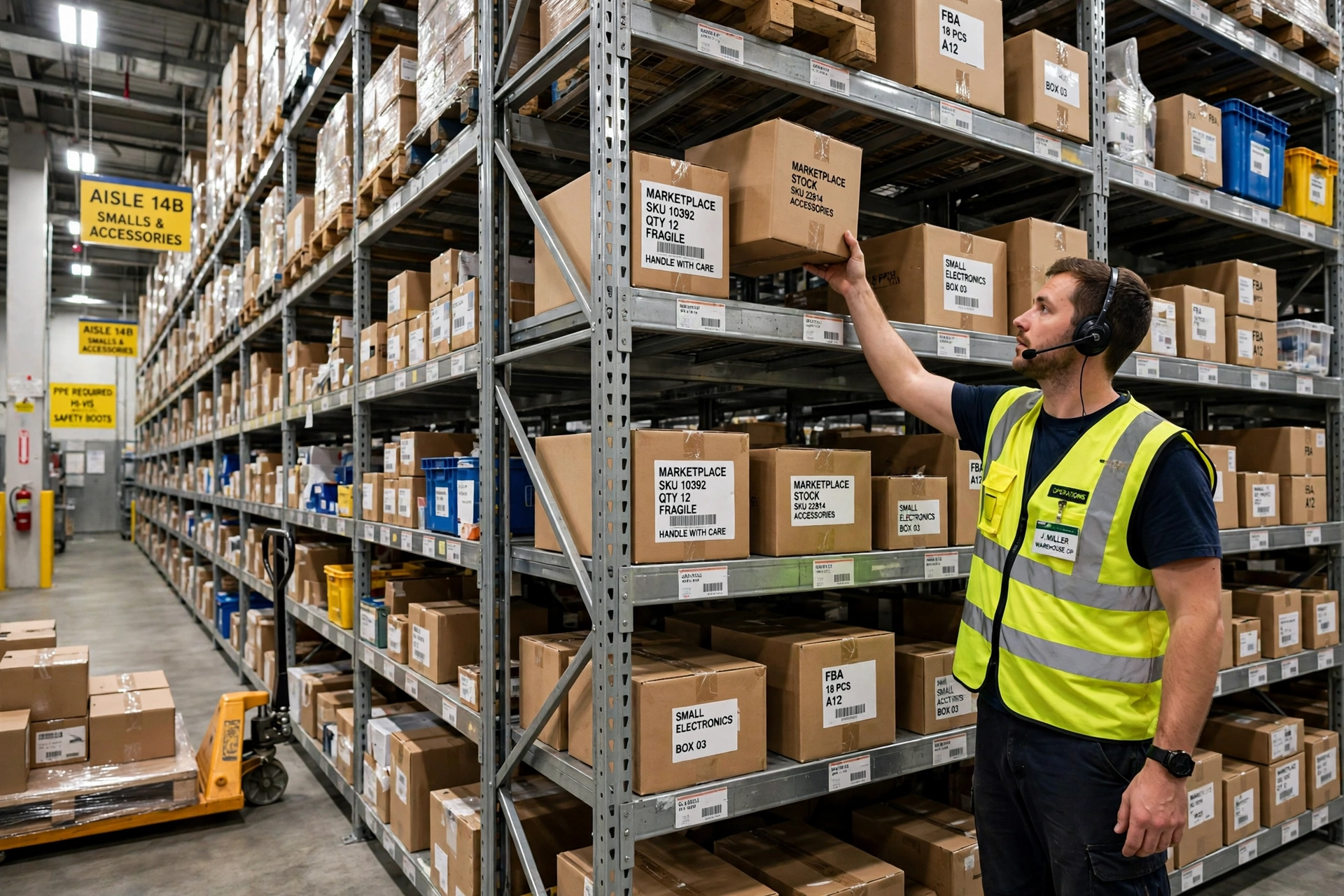
Whether to lead with your own storefront or a regional marketplace, and how to run both without duplicating the catalogue.

Area 04
Paid, organic and marketplace advertising planned per market against local cost and local competition.
Area 05
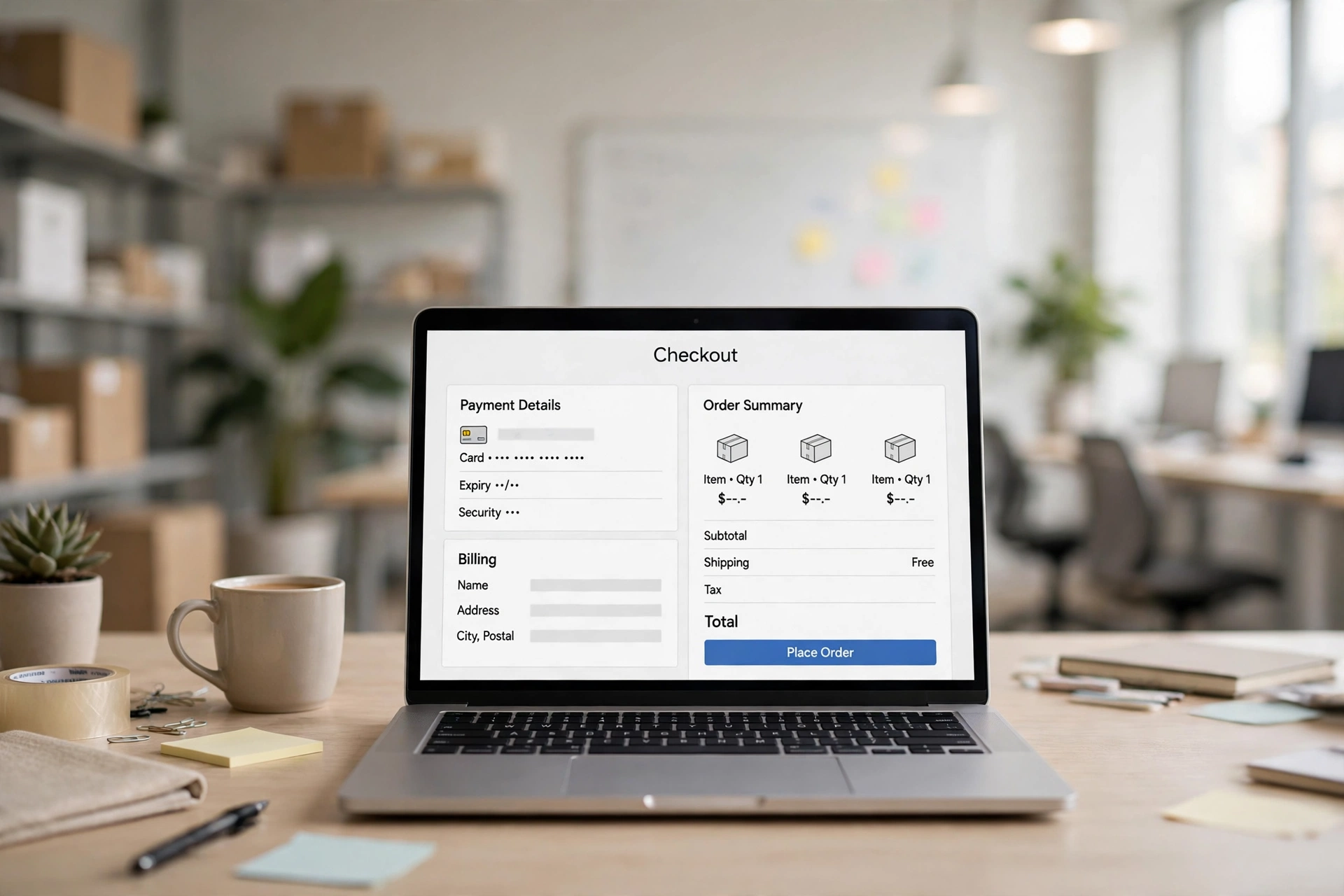
The trust signals, payment options and delivery messaging that decide whether a foreign visitor completes a purchase.

Area 06
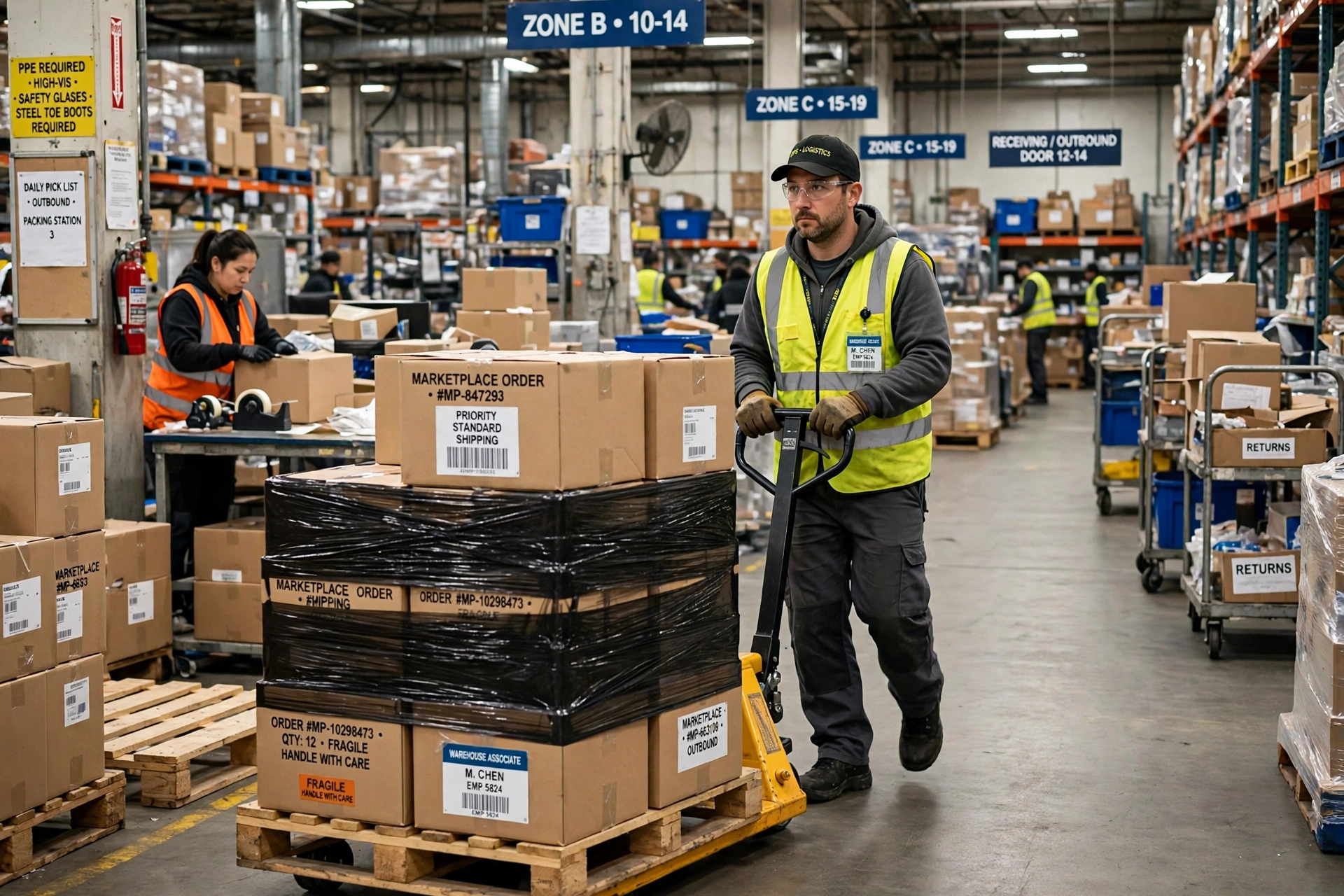
Catalogue, pricing, stock, returns and reporting kept coherent as the number of markets grows.
Not every engagement needs all six. Most start with the first two and add the rest as the first market proves out.
Area 01
The cheapest decision in an expansion, and the one most often made on instinct. eCommerce market entry is won or lost here, before a single localisation decision is taken.
We size the opportunity against what it will actually cost you to serve it. That means demand, competition and price position on one side, and duty, carriage, returns, payment fees and support load on the other — before anything is committed.
What the selection work covers:

Area 02
Translation is the smallest part of localisation and the part most often mistaken for all of it.
A shopper decides you are foreign within seconds, and mostly not from the language. It is the currency, the sizing convention, the payment methods you do not offer and a delivery promise that reads as a guess.
What localisation covers:
Where the URL model matters — subfolders, subdomains, hreflang and market routing — that is settled before the first market goes live, because the second market is when it becomes expensive. Our Shopify SEO guide covers the mechanics in full.

Area 03
In most markets the fastest route in is a marketplace and the most profitable route is your own storefront. The plan usually uses both, in that order.
North America, Europe, Japan, Australia and the Gulf
United States, with Canada and Mexico expanding
Singapore, Malaysia, Philippines, Thailand, Vietnam
Southeast Asia, with strong brand-mall positioning
UAE, Saudi Arabia and Egypt

Pakistan, Bangladesh, Sri Lanka and Nepal

Nigeria, Egypt, Morocco, Kenya and beyond

Cross-border selling into Europe, LATAM and Asia

B2B and wholesale demand across every region
Storefront platforms are covered separately — see every platform we support, or the marketplace management service if marketplaces are the whole programme.
Area 04
A campaign that works in your home market rarely transfers. Local competition, local cost and local search behaviour all differ, and the budget has to be planned against them. International eCommerce SEO is the slowest and cheapest half of this: hreflang, market-specific category demand and local currency signals decide whether the right country even sees you before a single ad runs.
Budget is planned per market against local cost, then reported against contribution rather than a blended ROAS across countries.
Area 05
A foreign visitor abandons for reasons a domestic visitor never encounters. Most of them are fixable and none of them are subtle.
Conversion in a new market is usually a trust problem before it is a persuasion problem. The visitor cannot tell whether the delivery will arrive, what duty they will owe, or whether returning something is realistic from where they live.
What we change first:
The first market teaches you which of these matter most for your category. The second market gets them on day one.

Area 06
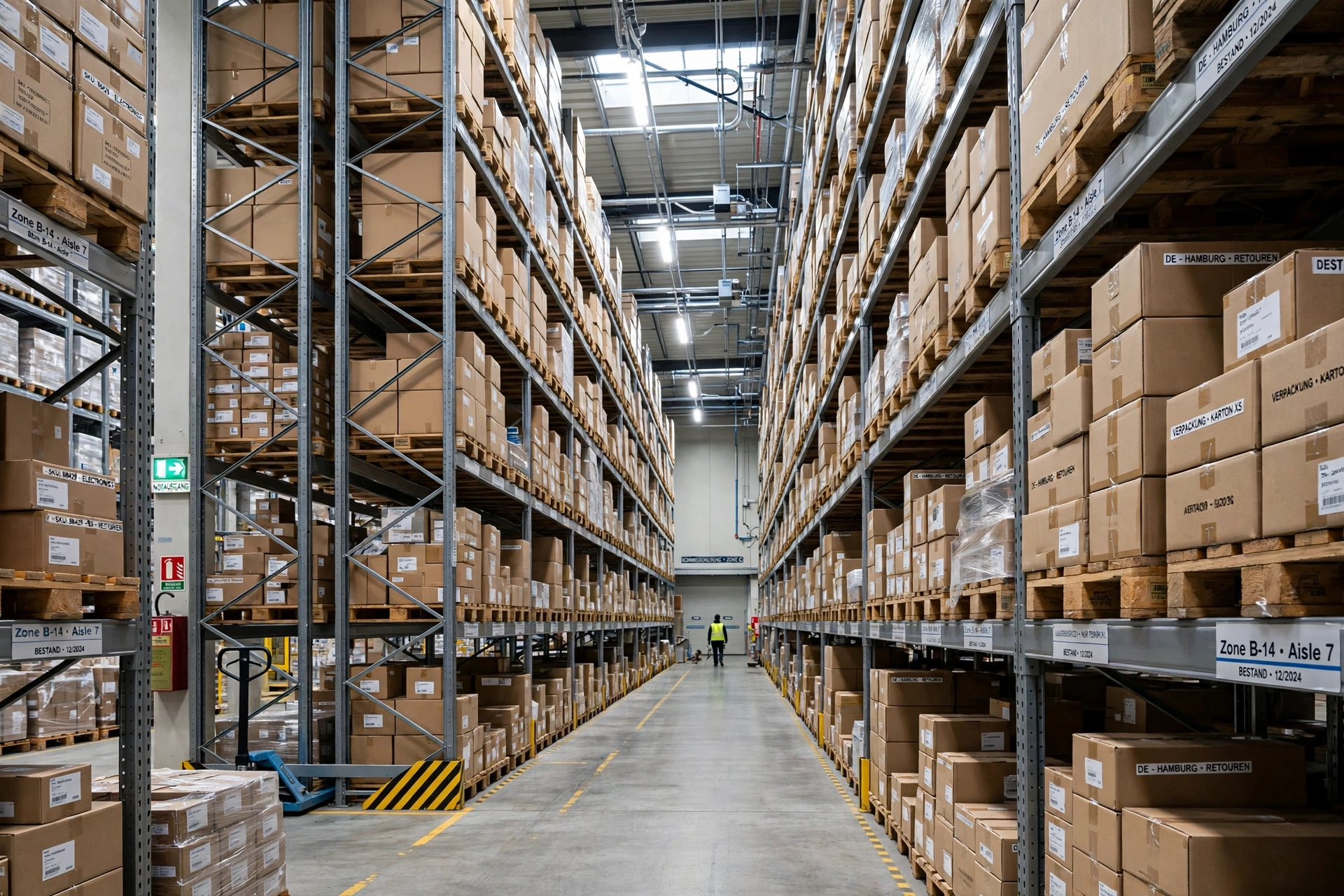
The work that decides whether market three is easier than market two or harder. Duty, returns and international shipping for eCommerce orders sit here, because the landed cost and the return path are what make a second market profitable rather than merely live. The international eCommerce shipping model you pick — local carrier, consolidator or third-party logistics — also decides what you can honestly promise at checkout.
Where we work
Ten markets we run programmes in. The five that are linked have a dedicated page covering the demand, the channels, the payment behaviour and the delivery expectations that market actually has; the rest are covered inside an expansion engagement.

Scale, and the most crowded market to earn it in

Next-day delivery as the baseline expectation

Concentrated demand and cross-border US selling

Distance, freight economics and delivery experience

Many countries, many rules, one logistics problem

Amazon and noon, Arabic experiences, cash on delivery

Localisation and payment trust across the region

A fragmented region planned market by market

Shopee, Lazada, TikTok Shop and live commerce

Marketplace-led growth and instalment payments
Or see every market we serve in one place.
How it works
Six steps. The first three happen before anything is committed, which is the point of them.
01
What you sell, where demand exists for it, and what is actually stopping you serving it. If the constraint is in your home market, we say so and you keep the money.
02
Three to five candidate markets sized against duty, carriage, returns, payment fees and support load. The output is a ranked sequence with numbers attached.
03
Storefront, marketplace or both — and in which order. This decides the localisation scope and most of the cost.
04
URL model, translation, currency, payment methods, delivery promises, catalogue and feeds. Done once, properly, for the first market.
05
One market, run hard, measured on contribution rather than revenue. We are looking for a repeatable playbook, not a good month.
06
Everything learned in market one is written down so market two is a process. If it is not cheaper and faster than the first, something was not written down.
Typical time from first conversation to a live, localised first market is eight to fourteen weeks depending on platform and catalogue size.
Fit
The right first move depends on what you are actually trying to do, and the answers differ more than most plans allow for.
Why us
Four things that are unusual about how this is staffed and reported.
The people running your Gulf marketplace and your UK storefront sit in the same team and report to the same numbers. Nobody is optimising a country in isolation.
Duty, carriage, returns and payment fees are modelled before a market is recommended. It is the reason we sometimes talk clients out of a market.
noon, Daraz, Jumia, Shopee and Lazada are managed in-house. Most agencies stop at Amazon and quietly outsource the rest.
A blended ROAS across six countries hides the two that are losing money. Every market reports separately, after landed cost.
Evidence
Three engagements where the market, not the channel, was the deciding variable.

Marketplace · Amazon · Europe
Electronics brand entering European Amazon marketplaces from a single-country base.

SEO · noon · Gulf
Arabic-language organic growth and noon marketplace performance across the Gulf.
CRO · BigCommerce · Australia
Conversion work on a distant market where freight economics decide the offer.
Questions
Sequencing, cost, tax and what we will not do.
Prefer to read before you talk to anyone? Our International eCommerce Expansion Guide is the eight-chapter version of how we think about this work, published in full.
Start with the landed cost, not the marketing plan. Our free audit covers your current markets and models what a new one would actually cost to serve.