It started with the homepage
The page that gets the design budget is the page that carries the least revenue. Category and product templates are where buying decisions happen and where the work usually is not.

Scale. Optimize. Succeed.
Design & UX
User research, information architecture, wireframes, a design system and accessible templates for online stores — designed by the team that then has to market the store and defend its conversion rate. We are an eCommerce web design agency that measures the work, not a studio that presents it.

Before a single layout
AA as the build standard
Handed over, not screenshots
Designed on the handset, not the monitor
The Problem
Eight reasons a redesign fails to move the number. Almost none of them is a taste problem, which is the difference between an eCommerce design agency and a studio that delivers a beautiful homepage and no category template.
The page that gets the design budget is the page that carries the least revenue. Category and product templates are where buying decisions happen and where the work usually is not.
A redesign based on internal preference and a competitor screenshot. Nobody looked at the session recordings, the on-site search queries or where the funnel actually drops.
Signed off at 1440px by people on fast connections, then shipped to an audience that is three-quarters mobile on mid-range handsets.
Flat mockups of twelve screens, handed to developers who then invent the other two hundred states the catalogue actually needs.
Contrast, focus states, target sizes and keyboard order treated as a remediation project rather than a design constraint. It costs several times more to retrofit.
Out of stock, no search results, a declined card, a slow image. The states nobody mocked up are the ones that lose the order.
A design that needs a developer for every landing page means the team stops shipping, and the site slowly diverges from the system it was designed around.
Without before-and-after numbers per template and per device, nobody can say whether the redesign helped, and the next one will be argued on taste too.
What We Do
Eight services covering the experience layer of an online store. Scope what you need from the audit rather than from a package — most engagements are a template programme plus a design system, not a full rebuild.
Session recordings, heatmaps, on-site search queries and funnel drops read per device, before any layout exists.
Navigation, category hierarchy, filtering and on-site search structured around how your customers actually search rather than how the catalogue is organised internally.
Low-fidelity structure agreed before visual design, then clickable prototypes tested on real handsets.
Category, product, basket, checkout, search and account templates — including the empty, loading and error states.
Tokens, components and documented states, handed over as something your developers build from and your marketers can extend.
Contrast, focus states, target sizes, keyboard order and screen-reader semantics designed in to WCAG 2.2 AA rather than remediated afterwards.
The design half of a migration, mapped template by template so nothing that currently converts quietly disappears in the move.
Campaign and paid-media landing pages built from the system, so marketers can ship them without a developer.
Design sits between three things rather than replacing any of them. eCommerce development builds what we design; conversion optimization tests it once it is live and tells us what to change; creative and content produces the imagery, video and copy that fill it. If you only need one of the four, the audit will say which.
Coverage
A store is a small number of templates producing thousands of URLs, so design work is template work. These four carry almost all of the revenue, and they are ranked here in the order we normally take them — which is rarely the order a brand expects.
01
02
03
04
Designed first, on a mid-range handset
Where most grids quietly break
More room, not a different experience
Handled in tokens, not retrofitted
WCAG 2.2 AA across every state
Image and layout budgets set in design
Room for longer strings and RTL
Deliverables
Twelve deliverables. Everything here is handed over in a form your team can use without us — editable files, documented components and written rationale. An eCommerce UX agency that gives you a PDF of screenshots has handed over a document, not a system.
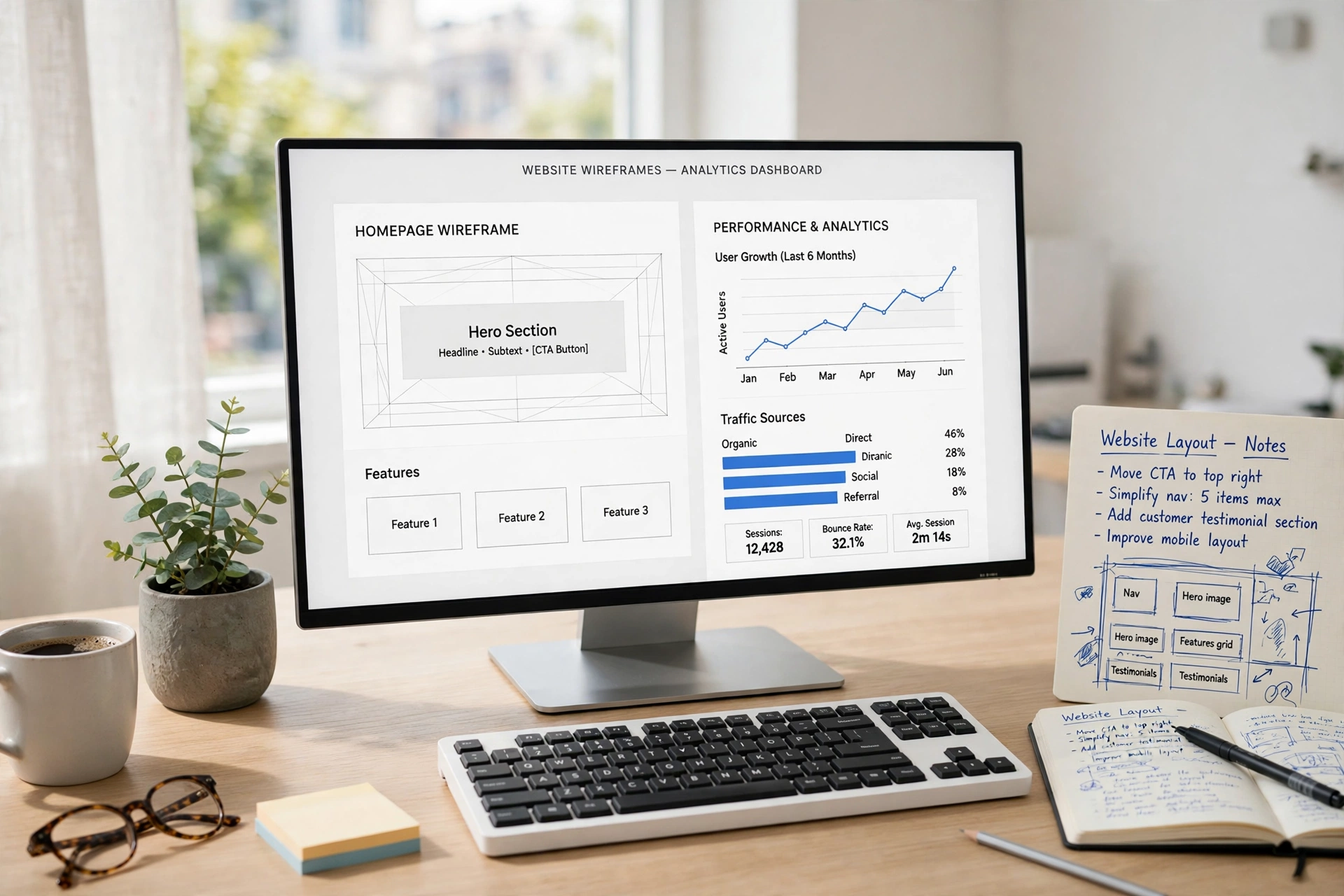


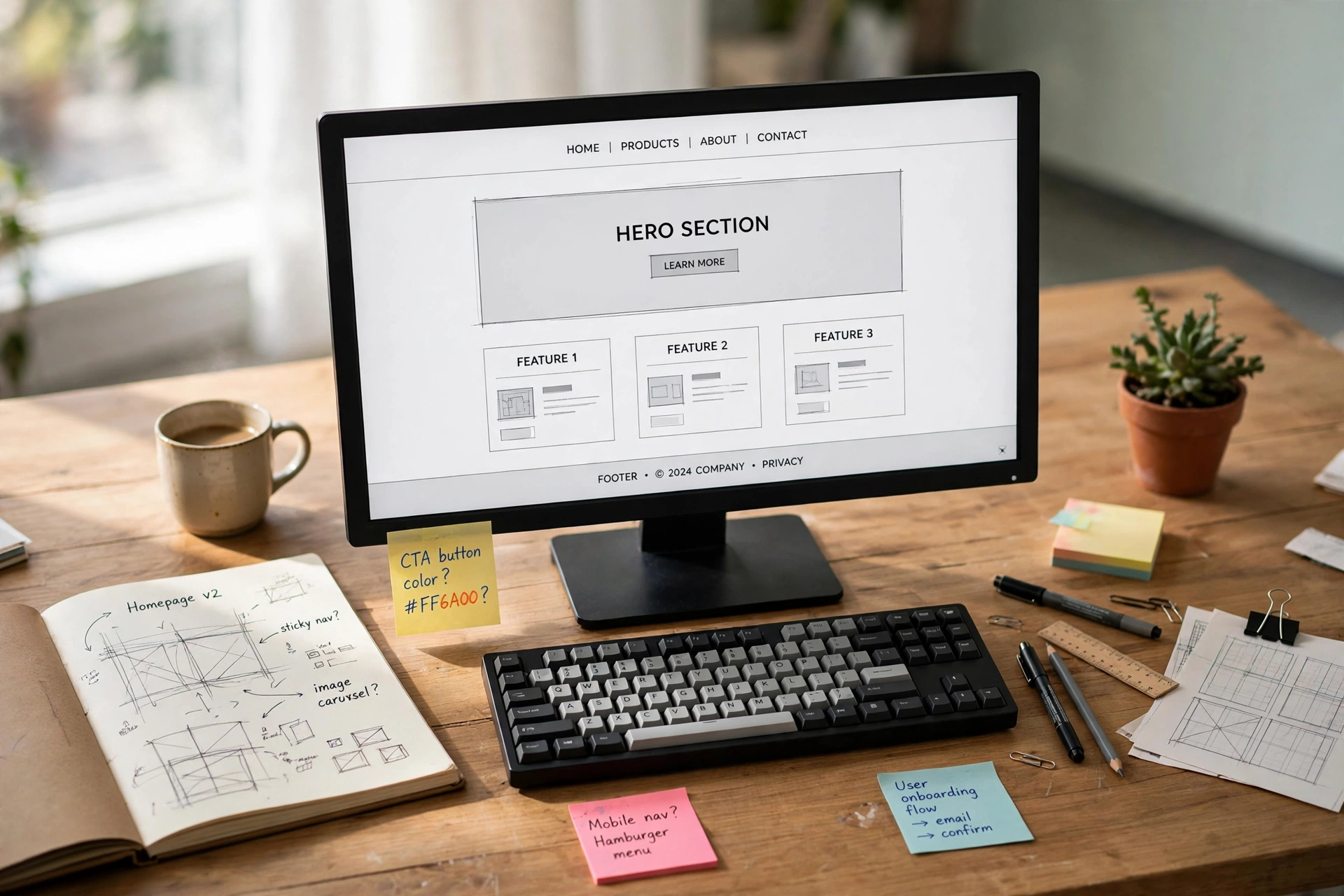
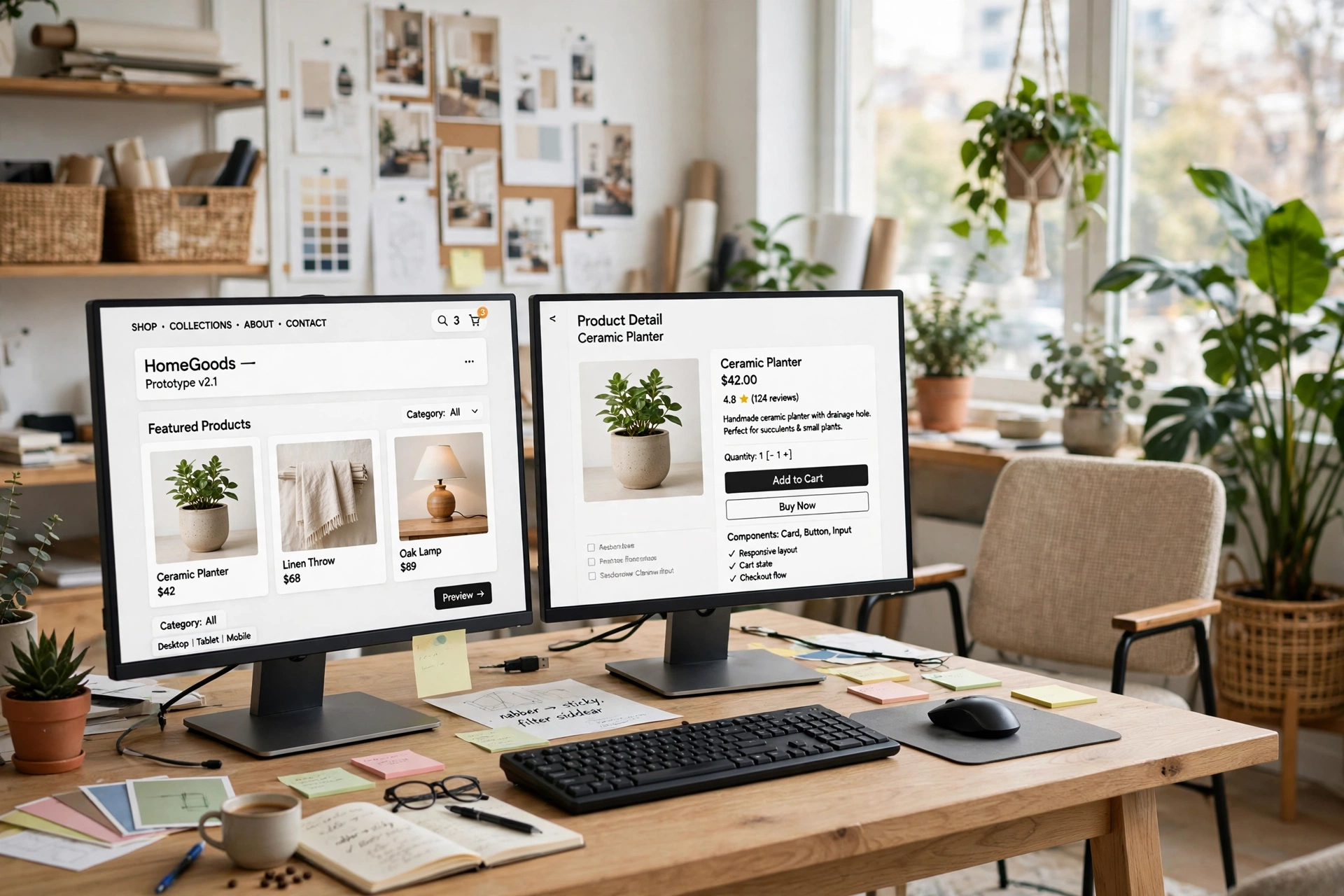
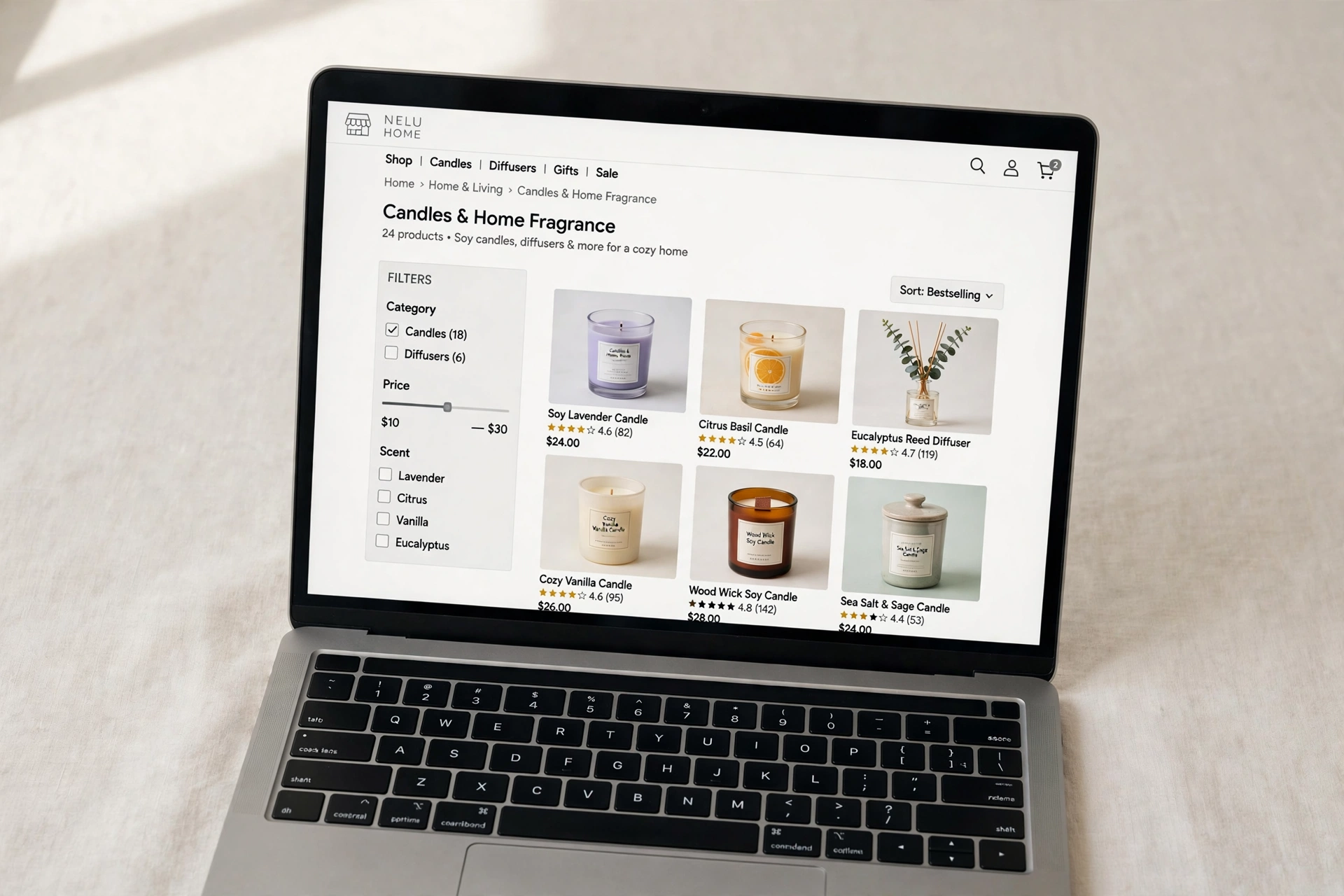

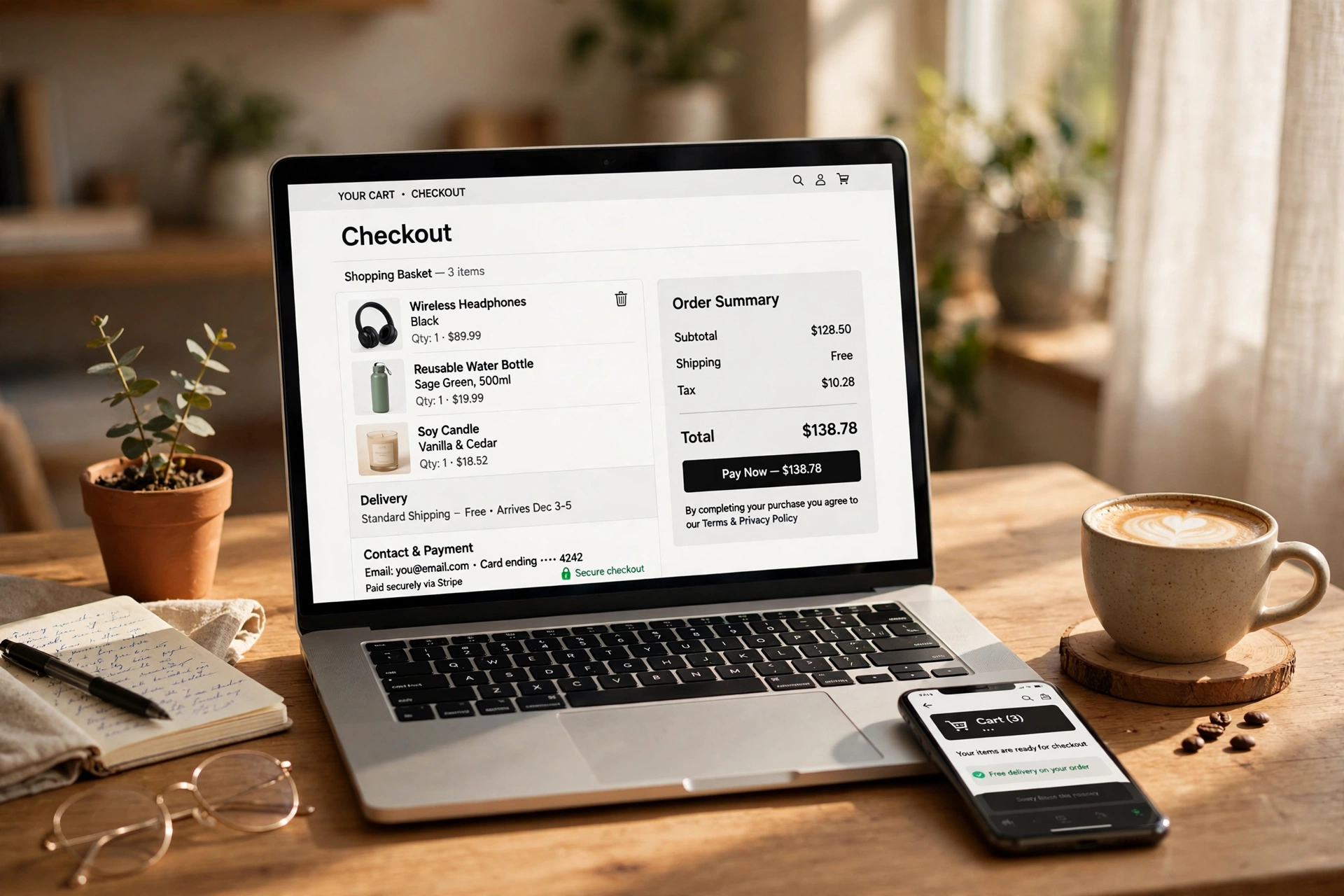
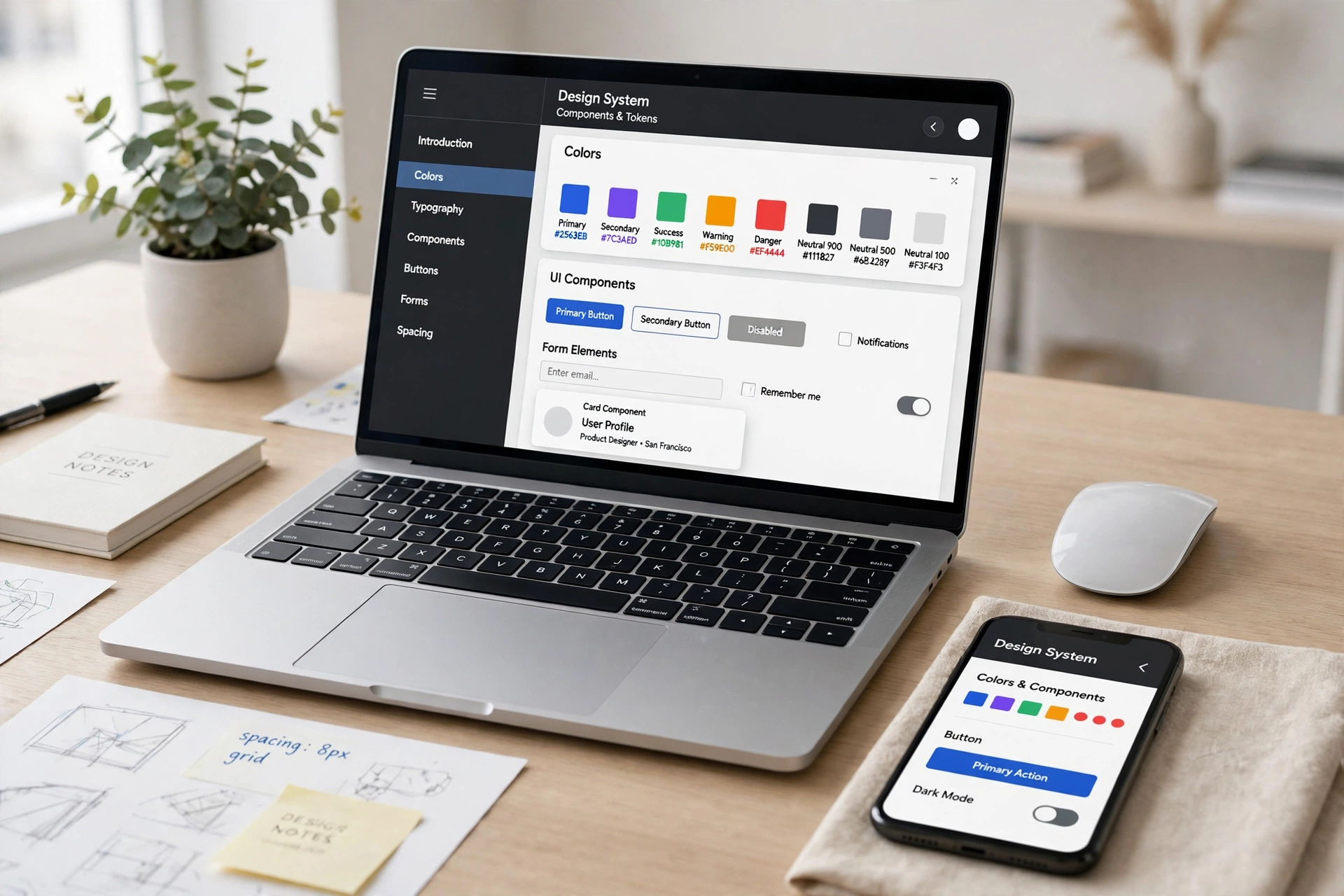
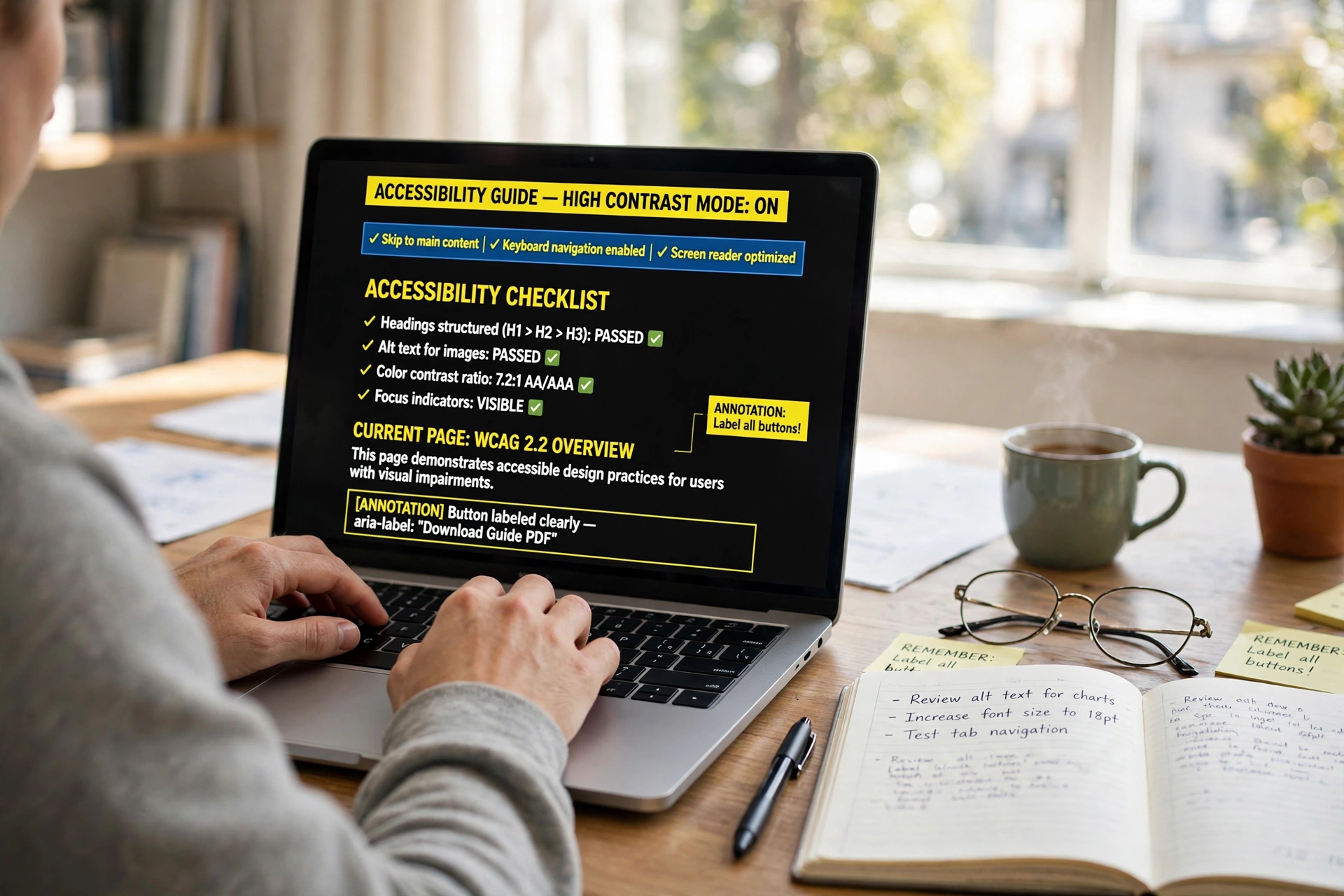
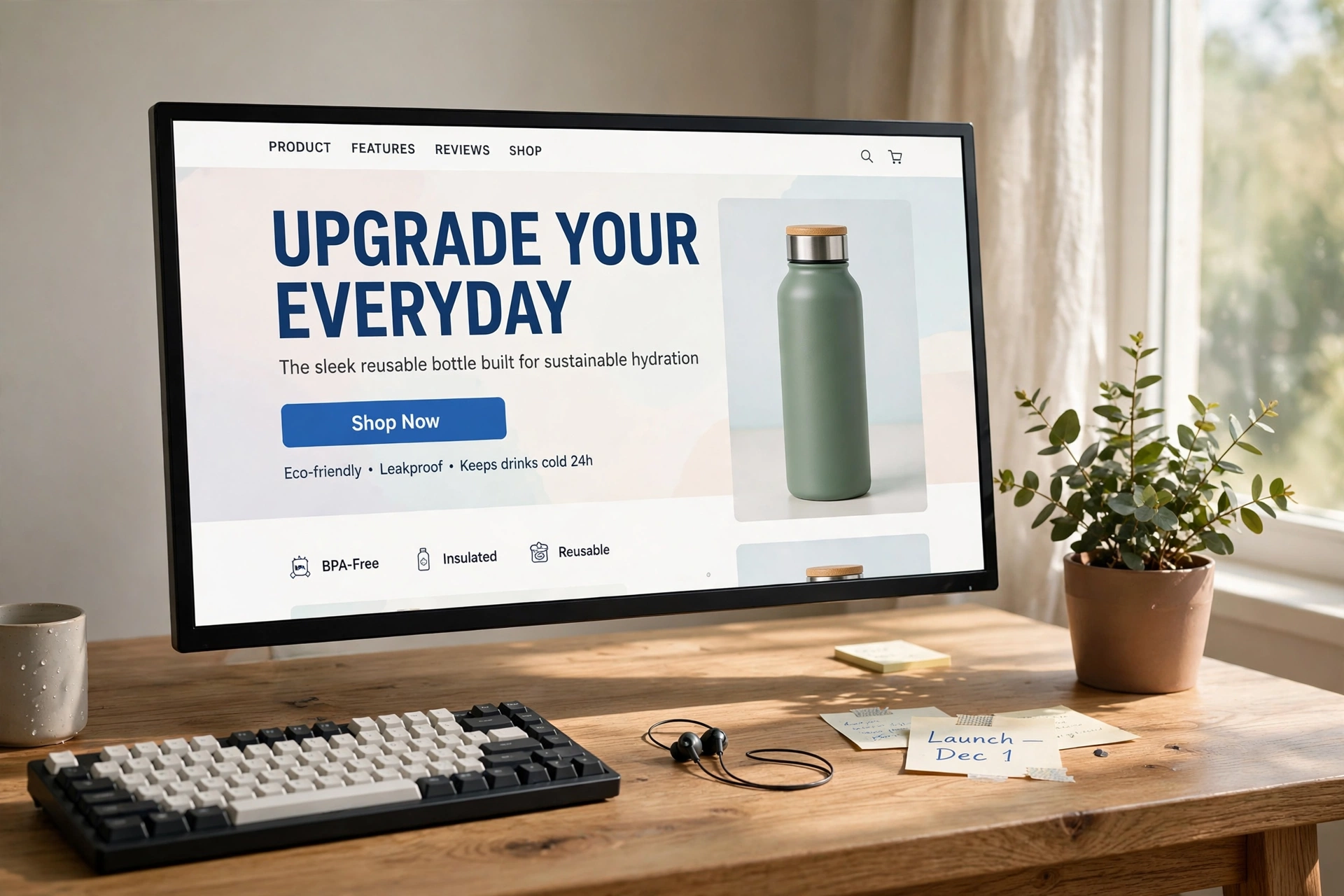
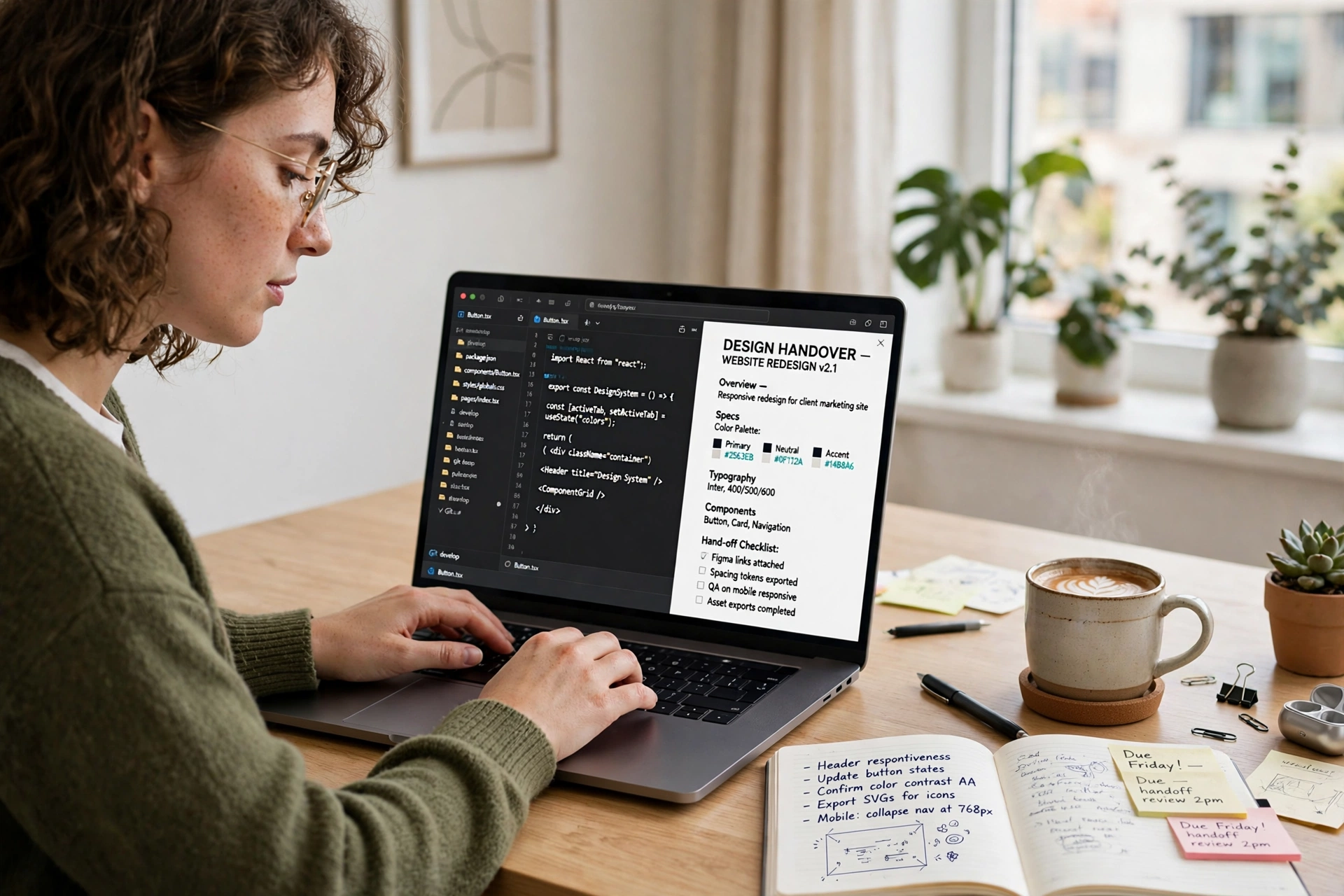
Not every engagement needs all twelve. A template programme on an existing store is usually five or six of these; a replatform design is most of them.
The Process
Six stages. Stage one is measurement, and stage six is measurement again — without both, a redesign is an opinion with a budget.
01
Conversion rate, revenue per session and funnel drop-off recorded per template and per device before anything changes. This is the number the redesign will be judged against, agreed in writing first.
02
Session recordings, heatmaps, on-site search queries including the ones returning nothing, support tickets, and a usability pass on your current templates on real handsets.
03
Information architecture, navigation and wireframes agreed before any visual design exists, because arguing about layout and colour at the same time is how both decisions get made badly.
04
Templates designed mobile-first, every state included, against a design system rather than as one-off screens. Accessibility and image-weight budgets applied as we go.
05
Components, tokens and documented states handed to whoever builds it, with annotations for behaviour that a static file cannot show. Our development team can take it, or yours can.
06
The baseline re-measured per template after launch, then conversion testing on what the data says to question. A redesign that is never measured cannot be defended or repeated.
Accountability
This is where we differ from a conventional design studio. A redesign is a change to a revenue-generating asset, so it is measured down the same funnel your media buyer reports on, per template and per device.
Per template and per device, against the baseline agreed before we started.
Because a conversion rate can be lifted while the business earns less.
Category to product, product to basket, basket to order. The biggest relative drop is the work.
Design decides most of LCP. A heavier page is a design choice, not just a build one.
Automated and manual checks against WCAG 2.2 AA, including keyboard-only completion of a purchase.
Why Us
Eight things that separate this from a studio engagement. The questions worth asking are the same whether you are weighing an eCommerce website design agency, an eCommerce website agency or a freelancer against us: who does the research, what actually gets handed over, and which number is the work judged against.
A baseline per template and per device agreed in writing before work starts, and re-measured after launch. Most redesigns are never judged, which is why the next one is argued on taste.
Your own session recordings, on-site search queries and funnel drops come first. We are not redesigning from a competitor screenshot.
A store is a handful of templates producing thousands of URLs. We design the templates and their states, not twelve hero screens.
Handover is a design system with tokens, components and documented states, so your developers build from it rather than interpreting it.
WCAG 2.2 AA designed in across every state, including keyboard-only completion of a purchase. Retrofitting it after launch costs several times more.
Mobile first on a mid-range phone on mobile data, because that is the audience. Desktop gets more room, not a different experience.
The people designing the store also run its SEO, paid media and conversion testing, so nobody ships a template that cannot be marketed or measured.
Editable source files, the design system and the written rationale, handed over whether or not we build it and whether or not you stay.
Our work
Our published case studies include the design and template work inside each engagement rather than separating it out, because on a live store the design, the build and the testing are one programme. The portfolio and the case studies both show the before-and-after figures per engagement.
FAQs
Eight questions that come up before most design engagements. More on our full FAQ page .
Get a UX audit. We will walk your category, product and checkout templates on a real handset, read your funnel per device, and tell you which two or three templates are worth redesigning — whether or not you hire us.